Practical guides
Ferries, typhoon season, money, food, safety — the how-Xiamen-works layer.
Gaoqi Airport to Xiamen's Old Town
Gaoqi's T3 and T4 both sit on Xiamen Island: Metro Line 1 in 30–40 minutes, or a ¥40–60 taxi in about 30. The transfer is a commute, not a project.
Emergencies and Recovery in Xiamen
The numbers first: 110 police, 120 ambulance, 119 fire — 12345 takes complaints, taxi and tourist disputes included. In typhoon season (July to September) the ferries stop first; the wrong pier costs about a 15–20 minute taxi ride; a lost passport starts at 110, then your own consulate.
Gulangyu Ferry Tickets and Piers, Explained
Two piers, two rule sets, one ¥35 round trip. The single page that prevents the classic Xiamen first-day mistake.
Cycling the Island Ring Road, in Segments
About 43 km, free, no reservation — and you should still only ride an hour of it. The three-segment way to bike Xiamen's ring.
Survival Mandarin for Xiamen
Four phrases run ninety percent of Xiamen — 这个, 多少钱, 去这儿, 谢谢 — and pointing covers the rest. The full table holds every sentence you need, pinyin with tone marks and English alongside, plus one Minnan greeting for the old town.
Rainy-Day Xiamen: The Plan
Rain in Xiamen is a surface problem. The qilou arcades roof the old streets, the museum is free, and the 8th Market doesn't check the weather.
Ordering Seafood in Xiamen, Without the Gamble
Printed prices over touts, the Eighth Market processing route, and what "jiangyou shui" actually is — how to order seafood with the bill settled before you sit.
Tulou Day Trip: How to Choose
The usual Nanjing combination, tour versus self-drive, and the honest verdict on who should skip it — the full arithmetic of a tulou day from Xiamen.
Typhoon Season in Xiamen: July to September
July to September is typhoon season on the Strait. Ferries stop first, so hold one flex day and set Gulangyu in the steadiest weather window.
Xiamen University Visits: the Lottery, and Plan B
Since January 2026, walking into Xiamen University takes a winning lottery draw on the 参观厦大 mini-program — plus a backup day that works without a gate.
Amoy: The Name That Sailed West
Europeans heard the Hokkien port name through a Zhangzhou accent and wrote down Amoy. The word ran the ledgers of a treaty port, then yielded to pinyin — but never quite left.
Egret Island: The Lake Returns
Xiamen has been Egret Island for centuries. The bird was made official in 1986; its real comeback came from a polluted inner lake and a twenty-character cleanup policy.
The School-Owner: Tan Kah Kee and His Two Campuses
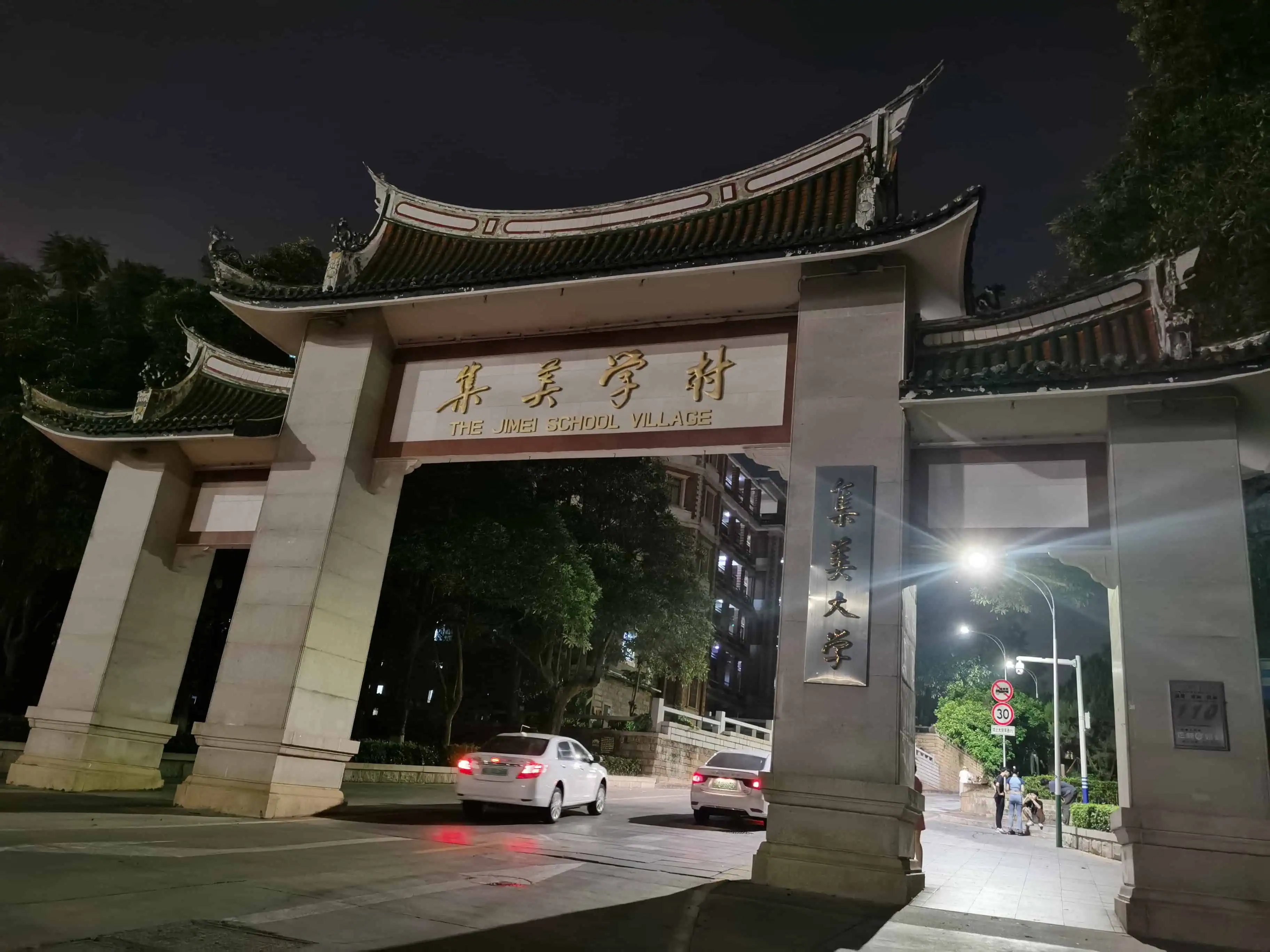
A Jimei-born merchant earned a fortune in Southeast Asian rubber and shipped it home as schools — from a 1913 village primary school to Xiamen University in 1921.
Gulangyu: How the Piano Island Got Its Pianos
Thousands of pianos on an islet under two square kilometers — a density counted the highest in China. The story runs through a 1903 settlement, mission-school music rooms, and one collector's homecoming.
The Minnan Tea Table
Thumb-sized cups, a lidded bowl and a proverb that ranks tea above rice. How gongfu tea matured on this coast, crossed the ocean with the migrants, and still runs the front room.
Sea Letters: How Qiaopi Built a Port City
The remittance letters of overseas Chinese — money and handwriting in one envelope — are why so many Minnan rooftiles were paid for an ocean away.